
Simple Ways to Reduce Household Paper Clutter Quickly
Paper clutter is one of the most common sources of disorganization in households. From bills and receipts to junk mail and kids’ school papers, paper piles can build up quickly and create a stressful environment. The good news is that reducing paper clutter doesn’t have to be overwhelming. With simple strategies and consistent habits, you can keep your home tidy and make paper management much easier.
In this post, we’ll explore practical tips to minimize paper clutter and maintain a clutter-free home.
Why Reduce Paper Clutter?
Before diving into the tips, it’s helpful to understand why reducing paper clutter matters:
– Less stress: Messy piles can cause anxiety and slow you down when searching for important documents.
– More space: Clearing paper frees up surfaces and storage areas for other uses.
– Easier cleaning: Dust and dirt accumulate less when surfaces are clear.
– Better organization: Important papers become easier to find and manage.
Now, let’s look at how to achieve these benefits with straightforward steps.
1. Create an Incoming Paper Station
Designate a specific spot where all incoming paper is collected. This could be a tray, basket, or small filing box near your entryway or kitchen. When mail, school papers, or other documents come in, place them there immediately.
Benefits:
– Keeps papers from spreading around the house
– Makes sorting easier because everything is in one place
2. Sort Papers Regularly
Sorting should be done often to prevent the paper pile from growing out of control. Aim to sort through your incoming paper daily or at least several times per week.
How to sort:
– Urgent: Bills or documents that need immediate attention
– Keep: Important papers to file (e.g., tax documents, warranties)
– Recycle: Junk mail, expired coupons, or unnecessary flyers
– Action: Papers that require follow-up but not immediately
By sorting quickly and consistently, you’ll reduce buildup and have a clearer overview of what you really need.
3. Digitize When Possible
Consider scanning important documents to create digital copies. Using smartphone apps or scanners, you can save paper files as PDFs and organize them on your computer or cloud storage.
Tips for digital organization:
– Create folders for different categories (bills, receipts, warranties)
– Use descriptive file names for easy searching
– Back up files regularly
Digitizing reduces physical paper, making your home clutter-free and your documents easier to access.
4. Use a Filing System
For papers that you want or need to keep, use a simple filing system. This could be a filing cabinet, portable file box, or accordion folder.
How to set it up:
– Label folders clearly by category (e.g., Utilities, Medical, Receipts)
– File papers immediately after sorting to avoid re-cluttering
– Review and purge files annually
A well-maintained filing system helps you quickly locate important documents and keeps paper piles under control.
5. Opt Out of Junk Mail
Many paper stacks come from unwanted mail offers and catalogs. To cut down on waste:
– Register with services that reduce junk mail
– Contact individual companies to unsubscribe
– Switch to paperless billing where possible
Less incoming mail equals less paper clutter to manage.
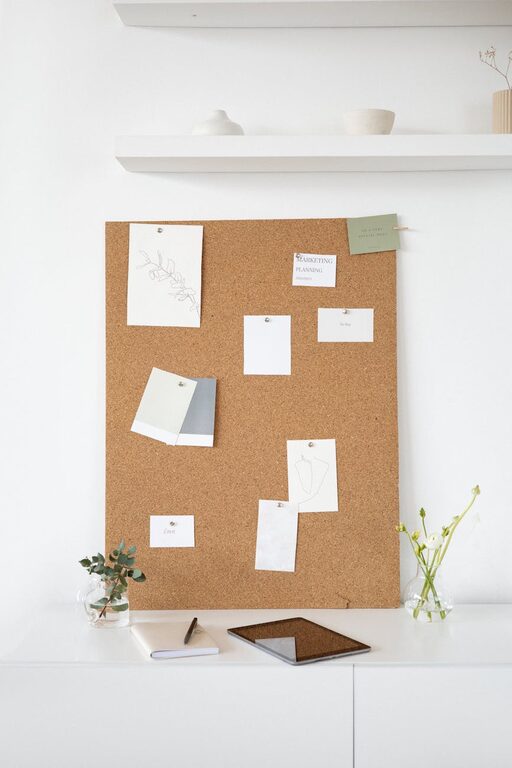
6. Create a Command Center
Designate a space on a wall or bulletin board as a family “command center.” Use it to keep calendars, schedules, and important reminders.
Benefits:
– Keeps frequently used papers visible but organized
– Eliminates the need for multiple random sticky notes and loose papers
Keep the command center simple to avoid it becoming another source of clutter.
7. Toss Immediately
One of the simplest habits is to throw away unnecessary papers as soon as you see them. Don’t let receipts, flyers, or papers without importance linger around.
Tips to help:
– Keep a recycling bin nearby your paper station
– If unsure about a paper’s importance, put it in a “review later” folder and check weekly
8. Manage Kids’ Papers
Children often bring home plenty of artwork, school papers, and notices. Create a system for handling these:
– Use a dedicated inbox or folder for each child
– Display a few favorites on a board or fridge, then rotate
– Decide regularly which papers to keep, photograph, or recycle
9. Use Online Bill Pay and Statements
Where possible, set bills and bank statements to digital only. Most utilities, credit cards, and services offer paperless options that reduce the need to handle physical bills.
10. Schedule Decluttering Sessions
Even with daily habits, it’s good to set aside time monthly or quarterly to declutter and organize papers more thoroughly.
What to do during sessions:
– Purge outdated papers from your files
– Scan new important documents
– Reorganize your filing system if needed
Consistency is key for long-term paper clutter control.
—
Final Thoughts
Reducing household paper clutter doesn’t have to be complicated. By creating designated spaces, sorting regularly, digitizing documents, and maintaining simple systems, managing paper becomes easier and less stressful. Implement these strategies gradually and find what works best for your lifestyle. You’ll enjoy a tidier, more organized home with less paper chaos.
Remember, the goal is progress, not perfection! Start small, stay consistent, and watch your paper clutter disappear.