How to Plan a Perfect Screen-Light Evening at Home
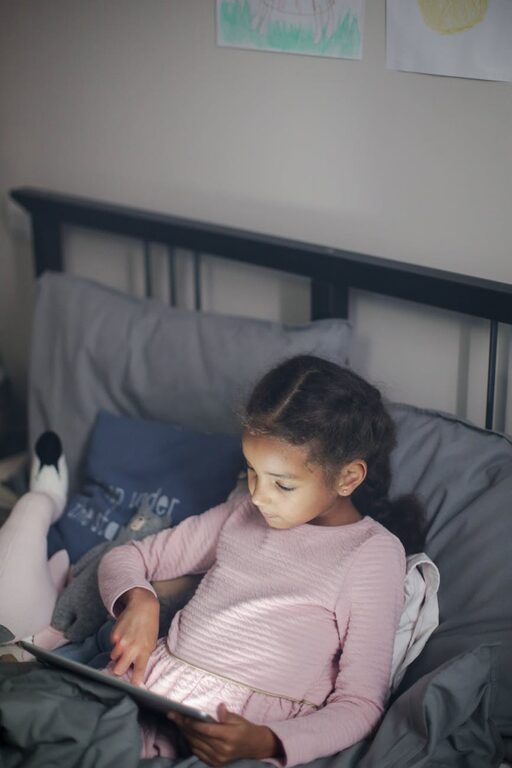
Creating a relaxing evening centered around your favorite screens—whether it’s watching a movie, gaming, or scrolling through photos—can be a great way to unwind. However, without some thoughtful planning, screen time can sometimes leave you feeling tired or overstimulated. A well-planned screen-light evening balances comfort, ambiance, and mindful breaks to maximize enjoyment while minimizing strain.
In this guide, you’ll find practical tips to design the ideal screen-light evening in your home, from setting the mood to choosing the right snacks.
—
What is a Screen-Light Evening?
A “screen-light evening” refers to a relaxing period focused on activities involving screens, such as watching films or TV shows, playing video games, browsing social media, or reading e-books. The term emphasizes the importance of lighting—from dim surroundings to gentle screen brightness—that enhances comfort and reduces eye fatigue during extended screen use.
Why Plan Your Screen-Light Evening?
Without planning, screen time can quickly become uncomfortably bright or lead to poor posture and eyestrain. By consciously creating the right environment, you can:
– Protect your eyes and reduce fatigue
– Establish a cozy, inviting atmosphere
– Enhance the entertainment experience
– Incorporate healthy breaks and snacks
– Avoid the feeling of lost time or overstimulation
—
Step 1: Choose the Right Space
Start by selecting a comfortable, quiet area in your home where you can relax without interruptions. Consider:
– Lighting: Prefer dim or warm-toned ambient lights; avoid harsh overhead fluorescents.
– Seating: Use cozy chairs, sofas, or even floor cushions with soft blankets.
– Screen placement: Position your device or TV so it’s at eye level to help maintain good posture.
If possible, close curtains or blinds to reduce glare on your screen.
—
Step 2: Adjust Your Screen Settings
Modern devices offer settings designed to reduce eye strain during evening use:
– Enable blue light filters or “night modes” which apply warmer colors.
– Lower your screen brightness to complement ambient room lighting.
– Use a larger font size for reading or browsing to minimize squinting.
Test settings in advance to find what feels most comfortable.
—
Step 3: Plan Your Activities
What will you do during your screen-light evening? Here are some ideas:
– Watch a movie or TV series—consider genres that help you relax.
– Play video or mobile games—choose games that suit your mood, whether calming puzzles or exciting adventures.
– Browse digital photo albums or e-books—a cozy way to enjoy visuals or stories.
– Social media or video calls—connect with friends while being mindful of screen time.
To avoid fatigue, consider mixing activities or scheduling breaks every 30–45 minutes.
—
Step 4: Set the Mood with Lighting and Sound
A key part of a great screen-light evening is atmosphere:
– Lighting: Use dimmable lamps or string lights with warm hues around the room.
– Candles: If safe to use, scented candles add relaxation without harsh light.
– Sound: Use speakers or headphones for immersive audio; consider background instrumental music between screen sessions.
Avoid overhead lighting that creates glare.
—
Step 5: Prepare Comfortable Snacks and Drinks
A little treat can boost your enjoyment—just keep it light and healthy:
– Snack ideas: Popcorn, sliced fruits, nuts, or veggie sticks with dip.
– Drinks: Herbal tea, flavored water, or a favorite non-caffeinated beverage.
Avoid heavy meals or too much caffeine to prevent sleep disturbances later.
—
Step 6: Plan Breaks and Screen-Free Intervals
Breaks keep your body and mind refreshed:
– Every 30–45 minutes, pause your screen time for 5–10 minutes.
– Use breaks to stretch, hydrate, or glance at distant objects to rest your eyes.
– Consider a short walk or some gentle yoga poses.
These breaks reduce fatigue and help maintain your focus.
—
Step 7: Wind Down After Screen Time
To end your screen-light evening on a relaxing note:
– Switch off devices at least 30 minutes before bedtime.
– Read a physical book or listen to calming music.
– Practice deep breathing or meditation to prepare for restful sleep.
This helps your brain transition from screen stimulation to relaxation.
—
Final Tips for a Successful Screen-Light Evening
– Inform household members about your plans to minimize interruptions.
– Keep charging cables and remote controls within easy reach.
– Use blue light glasses if you prefer an additional layer of protection.
– Customize your evening based on your personal preferences and needs.
—
Planning a screen-light evening can transform your typical screen time into a soothing retreat. By balancing thoughtful lighting, comfortable surroundings, mindful breaks, and enjoyable activities, you’ll create the perfect setting to relax and recharge with your favorite digital entertainment. Give these tips a try for your next screen-based evening at home!